Blog

  • Teenager dies after being struck by lightning at Mumbai’s Juhu beach

    Teenager dies after being struck by lightning at Mumbai’s Juhu beach

    In a heart-wrenching incident that unfolded on Thursday afternoon, a 16-year-old boy, identified as Hasan Yusuf Shaikh, lost his life after being struck by lightning while he stood alone on Mumbai’s Juhu Chowpatty beach. The tragic incident occurred during the final day of the Ganesh Chaturthi festival when heavy rains swept across the city.

    A preliminary investigation conducted by authorities suggests that young Shaikh had ventured to the popular Juhu beach to witness the Ganpati immersion, a quintessential part of the festival’s celebrations. However, he had arrived without any companions or a Ganpati idol in tow, choosing to enjoy the spectacle by himself.

    Assistant Commissioner of Police Mahesh Mugutrao shared insights into the incident, stating, “Prima facie it appears that he had come alone to see the Ganesh idol immersion at the chowpatty. There was no Ganpati with him, nor was he accompanying any pandal. While he stood near the water at the beach, he got struck by lightning and fell into the water.”

    Eyewitnesses report that heavy rainfall was pouring down when the lightning struck, tragically claiming Shaikh’s life. His lifeless body was discovered in the sea and immediately transported to Cooper Hospital via ambulance. Regrettably, he was declared brought dead upon arrival at the civic-run hospital.

    Initially, it was presumed that the teenager had succumbed to drowning. However, further investigation revealed the true cause of his demise: a lightning strike. A vigilant lifeguard stationed 300 meters away from the tragic scene had observed the incident as it unfolded.

    The lifeguard’s statement has been officially recorded, and the authorities have registered a case of accidental death. Efforts to contact Shaikh’s parents have been successful, and they have been informed of this devastating incident.

    This tragic event serves as a stark reminder of the unpredictable nature of natural disasters and the importance of safety measures, especially during inclement weather conditions.

    News Summary:

    • A 16-year-old boy, Hasan Yusuf Shaikh, lost his life after being struck by lightning at Mumbai’s Juhu Chowpatty during Ganesh Chaturthi festivities.
    • Shaikh had ventured to the beach alone to witness the Ganpati immersion and was standing near the water when he was struck by lightning during heavy rainfall.
    • Initially thought to have drowned, it was later discovered that the teenager had been struck by lightning, with an eyewitness account from a lifeguard confirming the incident.
    • A case of accidental death has been registered, and authorities have informed Shaikh’s parents about the tragic incident.
  • Gurugram bans production, sale, storage of firecrackers for 3 months. All you need to know

    Gurugram bans production, sale, storage of firecrackers for 3 months. All you need to know

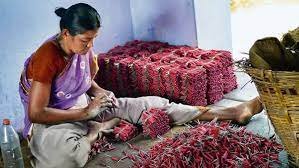
    The Gurugram district administration, under the authority of Deputy Commissioner Nishant Yadav, has issued an order imposing a comprehensive ban on the production, sale, and storage of all types of firecrackers. The ban is set to be effective from November 1, 2023, to January 31, 2024, with the exception of green firecrackers. This move comes as a response to concerns regarding air and noise pollution as well as solid waste issues associated with firecrackers.

    Detailed Article:

    In a significant development, the Gurugram district administration has taken a proactive step to address environmental concerns by imposing a ban on firecrackers, except green ones, during the upcoming festive season. The ban, effective from November 1, 2023, to January 31, 2024, aims to curb air and noise pollution, as well as solid waste problems linked to the use of firecrackers.

    The decision to implement this ban was made under Section 144 of the Code of Criminal Procedure and also takes into account the Explosive Act of 1884 and the Explosive Rules. It specifically targets joined firecrackers, with the exception of green crackers, and prohibits the use of barium salts in fireworks.

    During festivals such as Diwali, Gurpurab, New Year’s Eve, and Christmas, residents will have a limited window to burst firecrackers. For Diwali and Gurpurab, the allowed time is from 8 pm to 10 pm, while on Christmas and New Year’s Eve, it is from 11.55 pm to 12.30 am.

    Deputy Commissioner Nishant Yadav, who issued the order, emphasized the importance of this move, stating, “I prohibit the manufacture, sale, bursting, and use of joined firecrackers, except for green crackers, and ban the use of barium salts in fireworks in Gurugram district, as it causes air and noise pollution and solid waste problems.” This decision aligns with the district’s commitment to creating a cleaner and safer environment.

    In 2018, the Supreme Court had ruled against a complete ban on firecrackers but allowed the sale of less polluting green crackers through licensed traders. The recent ban in Gurugram specifically targets joined firecrackers, except for green crackers, and the use of barium salts in fireworks.

    To ensure compliance with the ban and to monitor air quality, Deputy Commissioner Yadav has directed the regional officer of the Haryana State Pollution Control Board to report data to respective websites, as per directives from the Supreme Court and Central Pollution Control Board.

    Notably, e-commerce giants Flipkart and Amazon have been instructed not to accept online orders for firecrackers under Section 144 of the Code of Criminal Procedure. Additionally, efforts are underway to raise awareness about green crackers and help the public distinguish them from conventional ones.

    The responsibility for enforcing the ban has been entrusted to Gurugram Police, Municipal Corporation Gurugram, and Municipal Corporation Manesar. The order emphasizes collaboration among various authorities to ensure strict implementation.

    This decision reflects the district administration’s commitment to environmental conservation and public health. By limiting firecracker use, they aim to reduce pollution levels during the festive season, promoting a cleaner and safer environment for all residents.

    News Summary:

    • Gurugram district administration has imposed a ban on the production, sale, and storage of firecrackers from November 1, 2023, to January 31, 2024, with exceptions for green firecrackers during festive occasions.
    • The ban targets joined firecrackers and the use of barium salts in fireworks to address air and noise pollution as well as solid waste problems.
    • Specific time windows for bursting firecrackers have been allocated during festivals like Diwali, Gurpurab, New Year’s Eve, and Christmas.
    • The move aligns with the district’s commitment to environmental conservation and public health, with e-commerce platforms instructed not to accept online orders for firecrackers. Authorities will collaborate to ensure strict enforcement of the ban.
  • 2 Dead, 14 Injured After Under-Construction Building Collapses In Lucknow

    2 Dead, 14 Injured After Under-Construction Building Collapses In Lucknow

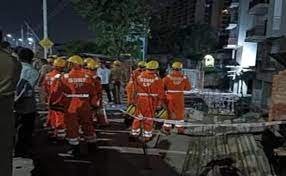
    A horrifying building collapse near Kalindi Park in Lucknow has left a two-month-old girl and a man dead while injuring 14 laborers. The incident occurred around midnight on Thursday, as the floor of an under-construction building’s basement gave way, burying the occupants in their sleep, according to local authorities.

    Additional Deputy Commissioner of Police (East) Sayed Ali Abbas described the tragic event, stating, “Some laborers who worked at the site used to live in shanties in the basement. As the floor collapsed, the laborers were buried under the rubble in their sleep.”

    Immediately following the disaster, a swift response from local police teams and residents commenced a search for survivors. However, the outcome was grim. Mukadam, a 30-year-old laborer, and a two-month-old infant named Aishya lost their lives in the collapse.

    The 14 other injured laborers were promptly transported to a nearby hospital for medical attention, where they are currently receiving treatment.

    This tragic incident serves as a poignant reminder of the risks faced by laborers and the critical importance of ensuring safe working and living conditions at construction sites across the country.

    News Summary:

    • A building collapse near Kalindi Park in Lucknow has claimed two lives, including that of a two-month-old girl, and left 14 laborers injured.
    • The incident occurred when the floor of an under-construction building’s basement collapsed, burying the occupants as they slept.
    • Local authorities initiated a search for survivors immediately, but tragically, two individuals lost their lives in the accident.
    • The injured laborers have been transported to a nearby hospital for medical treatment.
    • This incident underscores the necessity of maintaining safe conditions at construction sites to protect the lives of laborers.
  • Uttarakhand CM Pushkar signs MoUs worth crores with Agar Technology, Fira Barcelona, EaseMyTrip during Britain visit

    Uttarakhand CM Pushkar signs MoUs worth crores with Agar Technology, Fira Barcelona, EaseMyTrip during Britain visit

    Uttarakhand Chief Minister Pushkar Singh Dhami‘s visit to the United Kingdom for the Global Investors Summit in London has yielded significant economic gains for the Indian state. During his stay, Dhami and his delegation engaged in a series of fruitful meetings with global investors, resulting in the signing of Investment Memorandums of Understanding (MoUs) worth ₹3,000 crores with two prominent companies.

    On the third day of his visit, the Uttarakhand government, under Dhami’s leadership, formalized these deals, which promise to drive economic growth and job creation within the state.

    Investment Highlights:

    1. Agar Technology Commits ₹2,000 Crores for Lithium Battery Plants: The state government signed a landmark agreement worth ₹2,000 crores with Agar Technology. This investment will fuel the establishment of lithium battery plants in Uttarakhand, a significant step towards sustainable energy solutions.
    2. ₹1,000 Crore MoU with Fira Barcelona: Uttarakhand secured another valuable agreement, amounting to ₹1,000 crores, with Fira Barcelona, a renowned European entity specializing in convention center management and business fair organization. This partnership is expected to enhance Uttarakhand’s stature as a business and trade hub.
    3. EaseMyTrip Partnership: Additionally, two MoUs were signed with EaseMyTrip, reflecting the commitment to boost tourism and employment opportunities in the state. EaseMyTrip will establish a state-backed Online Travel Aggregator (OTA) and promote Uttarakhand as a global tourism destination.

    CM Dhami’s Vision:

    Chief Minister Pushkar Singh Dhami expressed his enthusiasm, stating, “We have made more than 27 new policies.” He went on to confirm that MoUs worth ₹9,000 crores have already been signed, with the expectation of more to come in the following days.

    Positive Outlook:

    These agreements hold great promise for Uttarakhand’s economic growth and development. With the infusion of substantial investments, the state is poised for significant advancements in technology, tourism, and sustainable energy.

    Quotes:

    CM Dhami said, “We have made more than 27 new policies.” He added, “So far, MoUs worth ₹9,000 crores have been signed. It is expected that some more MoUs will be signed tomorrow.”

    Key Attendees:

    The meetings held in London were attended by dignitaries and officials, including Secretary to the Chief Minister, Dr. R. Meenakshi Sundaram; Director-General of Industries, Rohit Meena; and various other members of the official delegation along with investors.

    News Summary:

    • Uttarakhand Chief Minister Pushkar Singh Dhami’s UK visit for the Global Investors Summit in London culminated in the signing of ₹3,000 crore worth of Investment MoUs.
    • Agar Technology committed ₹2,000 crores to establish lithium battery plants, while Fira Barcelona signed an MoU of ₹1,000 crores for convention center management and business fairs in Uttarakhand.
    • Additional MoUs were inked with EaseMyTrip to promote Uttarakhand as a global tourism destination.
    • CM Dhami announced that so far, MoUs worth ₹9,000 crores have been signed, reflecting the state’s growing economic prospects.
    • Dignitaries and officials attended the meetings, affirming the state’s commitment to attracting investments and fostering economic growth.
  • Nipah virus in Kerala: 4 people including 9-year-old recover from infection, says Health Minister Veena George

    Nipah virus in Kerala: 4 people including 9-year-old recover from infection, says Health Minister Veena George

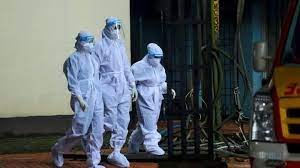
    Kerala’s Health Minister, Veena George, delivered a glimmer of hope to the state by announcing the full recovery of four Nipah virus patients, including a courageous nine-year-old boy. The patients, who had been receiving treatment in Kozhikode, have not only survived but have also tested double negative, signaling their complete recuperation.

    Speaking to the news agency ANI, Minister Veena George stated, “Four people, including a nine-year-old boy, who were under treatment in Kozhikode for Nipah virus, have recovered and tested double negative (two samples tested in intervals).”

    This positive development comes in the wake of a total of six reported Nipah virus infections in the district, with two unfortunate fatalities. The first victim, who succumbed on August 30, was identified as the index case, from whom the infection had initially spread.

    Containment Zones Lifted: Earlier on September 27, the Kerala government took a significant step by lifting containment measures and restrictions in all zones within the northern district, as no new Nipah virus cases have emerged since September 16. In a Facebook announcement, District Collector A Geetha declared that all schools in the affected areas would reopen, allowing regular classes to resume.

    Vigilance Still Required: While the restrictions have been eased, district authorities continue to emphasize the importance of remaining vigilant against the virus. They urge residents to maintain social distancing, wear masks, and use sanitizers to mitigate any potential risks.

    Current Statistics: As of September 24, there were 915 individuals under observation, none of whom were classified as high-risk by health authorities. A total of 377 samples had been tested, with 363 yielding negative results.

    Nipah vs. COVID-19: Dr. Rajeev Bahl, Director-General of the Indian Council of Medical Research (ICMR), underscored the severity of the Nipah virus by stating that its mortality rate far surpasses that of COVID-19. According to ICMR, Nipah carries a staggering 60 percent mortality rate, in stark contrast to COVID-19’s approximately 3 percent fatality rate in the country.

    Understanding Nipah Virus:

    The Nipah virus is primarily transmitted by fruit bats and poses a significant threat to both humans and animals. Its discovery traces back to 1999 when it caused a severe outbreak among pig farmers and individuals in close proximity to infected animals in Malaysia and Singapore. Human-to-human transmission can also occur through close physical contact, particularly involving body fluids.

    Symptoms and Impact:

    Initial symptoms of Nipah virus infection include fever, headaches, muscle pain, vomiting, and a sore throat. In advanced stages, it can progress to severe respiratory problems, encephalitis, seizures, and even coma within just 24 to 48 hours. The incubation period varies from four to 14 days but can extend up to 45 days. While most survivors fully recover from acute encephalitis, around 20 percent may experience lingering neurological issues such as seizures and personality changes, according to the World Health Organization (WHO).

    In Summary:

    • Kerala Health Minister Veena George announced the successful recovery of four Nipah virus patients in Kozhikode, including a nine-year-old boy.
    • The state government lifted containment measures in the northern district, with no new Nipah cases reported since September 16.
    • Vigilance and safety measures, such as social distancing and mask-wearing, remain crucial despite the easing of restrictions.
    • Nipah virus has a mortality rate of around 60 percent, significantly higher than that of COVID-19.
    • Nipah virus is primarily transmitted by fruit bats and can lead to severe symptoms, including encephalitis and neurological issues in survivors.
  • Lok Sabha, state polls together from 2029? Law panel working on formula: Report

    Lok Sabha, state polls together from 2029? Law panel working on formula: Report

    The Law Commission of India has announced that simultaneous elections, a part of the ‘One Nation, One Election’ initiative, will not be feasible for the upcoming 2024 Lok Sabha elections, according to sources within the commission. However, the commission is actively working on a formula to synchronize all state assembly polls with the Lok Sabha elections starting from 2029.

    Detailed Article:

    In a significant development, the Law Commission of India has revealed that the implementation of simultaneous elections, popularly known as the ‘One Nation, One Election’ system, will not be feasible for the upcoming 2024 Lok Sabha elections. This information comes from reliable sources within the commission who cited various logistical challenges.

    The Law Commission, chaired by Justice Rituraj Awasthi, is dedicated to finding a viable solution to hold simultaneous elections across the country. According to sources, the commission is actively working on a formula that would allow for the synchronization of all state assembly elections with the Lok Sabha polls, commencing from 2029. This ambitious undertaking aims to streamline the electoral process and reduce the financial burden on the nation.

    Justice Awasthi mentioned in a recent statement that the commission’s report on simultaneous elections will be published before the 2024 Lok Sabha elections. He acknowledged that significant work is still ongoing to ensure the successful implementation of this initiative.

    The forthcoming report is expected to propose amendments to the Indian Constitution, specifically addressing the feasibility of simultaneous elections at the national and state assembly levels. It will focus exclusively on the Lok Sabha and state assembly elections, which are pivotal to the democratic process in India.

    The Law Commission’s journey toward achieving ‘One Nation, One Election’ began in December 2022 when it formulated a set of six critical questions. These questions sought the input of key stakeholders, including national political parties, the Election Commission of India, bureaucrats, academicians, and experts, regarding the feasibility and practicality of simultaneous elections. The report, currently in progress, will eventually be submitted to the Union Law Ministry for further consideration.

    The ‘One Nation, One Election’ concept has been a subject of debate for several years. The 21st Law Commission, in its draft report submitted to the Union Law Ministry in 2018, argued that simultaneous elections to the Lok Sabha and state legislative assemblies could result in significant cost savings, alleviate the burden on the administrative setup, and enhance the efficient execution of government policies. However, it also highlighted the need for constitutional amendments and recommended changes to relevant provisions of the Representation of the People Act, 1951, to accommodate simultaneous elections.

    Summary:

    • Simultaneous elections, part of the ‘One Nation, One Election’ plan, will not be held in 2024, according to sources within the Law Commission of India.
    • The commission is actively working on a formula to synchronize all state assembly elections with the Lok Sabha polls, starting from 2029.
    • The commission’s report on simultaneous elections, expected before the 2024 Lok Sabha elections, will propose constitutional amendments and focus solely on Lok Sabha and state assembly elections.
    • The Law Commission initiated discussions on simultaneous elections in December 2022, seeking input from various stakeholders.
    • The 21st Law Commission previously argued that simultaneous elections could save money, reduce administrative burden, and enhance policy implementation but called for constitutional amendments and changes to relevant laws to make it possible.
  • Khalistani extremist Hardeep Singh Nijjar was an ‘asset of Canada’s Intelligence Services’?

    Khalistani extremist Hardeep Singh Nijjar was an ‘asset of Canada’s Intelligence Services’?

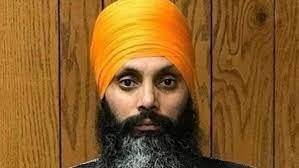
    In an ongoing diplomatic dispute between India and Canada, fresh revelations have emerged regarding the slain Khalistani extremist, Hardeep Singh Nijjar. Balraj Singh Nijjar, the son of the deceased, has claimed that his father maintained regular contact with officers from the Canadian Security Intelligence Service (CSIS), meeting with them “once or twice a week.” Notably, these meetings included one or two days before Nijjar’s tragic murder on June 18, with another rendezvous scheduled for just two days after his death.

    The case revolves around the murder of Hardeep Singh Nijjar, a Canada-based Khalistani extremist, in British Columbia’s Surrey in June this year. Canadian Prime Minister Justin Trudeau has publicly accused the Indian government of orchestrating Nijjar’s killing on June 18, a charge vehemently rejected by India as “absurd” and “motivated.”

    Balraj Singh Nijjar, aged 21, made these startling claims, as reported by the Vancouver Sun, stating, “My father had been meeting with Canadian Security Intelligence Service officers ‘once or twice a week,’ including one or two days before the June 18 murder, with another meeting scheduled for two days after his death.”

    Hardeep Singh Nijjar had been designated a ‘terrorist’ by the Indian government in 2020, further complicating the already contentious issue.

    A report by the Economic Times has raised suspicions that Nijjar may have been an asset for Canadian security services, considering the frequency of these meetings. Nijjar had served as the head of the banned terror outfit, the Khalistan Tiger Force, an organization dedicated to the establishment of Khalistan, a separate nation for Sikh followers.

    The Royal Canadian Mounted Police (RCMP) has confirmed that the investigation into the killing of Khalistani separatist Hardeep Singh Nijjar remains an “active and ongoing” matter. The Integrated Homicide Investigation Team (IHIT) of the RCMP is overseeing the investigation.

    These revelations add yet another layer of complexity to the ongoing diplomatic standoff between India and Canada. As both nations continue to exchange allegations, the truth behind Nijjar’s murder remains a subject of intense international scrutiny.

    Summary:

    • Balraj Singh Nijjar, son of Khalistani extremist Hardeep Singh Nijjar, discloses frequent meetings with Canadian Security Intelligence Service (CSIS).
    • Tensions escalate as Canada alleges Indian government involvement in Nijjar’s killing, which India vehemently denies.
    • Nijjar, designated a terrorist by India in 2020, is now believed to have been an asset for Canadian security services.
    • The Royal Canadian Mounted Police (RCMP) continues its investigation into Nijjar’s murder, handled by the Integrated Homicide Investigation Team (IHIT).
  • Punjab: Train services hit as farmers’ ‘rail roko’ protest over MSP, flood compensation enter 2nd Day

    Punjab: Train services hit as farmers’ ‘rail roko’ protest over MSP, flood compensation enter 2nd Day

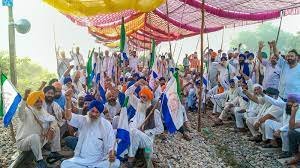
    Punjab, India – Train services in Punjab faced severe disruptions as farmers’ ‘rail roko’ agitation entered its second day today. Large numbers of farmers gathered on railway tracks as part of their protest, demanding a financial package to aid those affected by recent floods, a legal guarantee for Minimum Support Price (MSP) on all crops, withdrawal of cases related to their previous agitation in Delhi, and compensation along with jobs for the families of farmers who lost their lives during the protests.

    According to railway officials, the agitation has resulted in the cancellation of some trains, diversion of routes for several others, and short termination of a few services due to the ongoing three-day stir.

    Shobhan Chaudhuri, the General Manager of Northern Railway, expressed, “The movement of trains has been affected due to the farmers’ protest in Punjab as they are sitting on the tracks. Around 90 mail express trains and 150 passenger trains have been cancelled so far. We are assessing the situation…”

    The protesting farmers, led by the Kisan Mazdoor Sangharsh Committee, have announced that their agitation against the Union government will continue until September 30th. Various farmer groups, including the Kisan Mazdoor Sangharsh Committee, Bharti Kisan Union (Krantikari), BKU (Ekta Azaad), Azaad Kisan Committee Doaba, BKU (Behramke), BKU (Shaheed Bhagat Singh), and BKU (Chottu Ram), are actively participating in the protest.

    The protest is simultaneously taking place at 17 different locations in Punjab, including Moga, Hoshiarpur, Gurdaspur, Jalandhar, Tarn Taran, Sangrur, Patiala, Ferozepur, Bathinda, and Amritsar.

    In Amritsar, farmers occupied the Amritsar-Delhi railway track in Devidas Pura. Meanwhile, in Hoshiarpur, members of the Azad Kisan Committee, Doaba, staged a dharna at the local railway station. Farmer leader Gurbachan Singh has stated that if their demands are not met by the end of September, they will decide on their next course of action.

    The ongoing agitation has left many rail passengers stranded in Punjab and Haryana, with one elderly passenger at the Ludhiana railway station lamenting, “The matter is between the Centre and the farmers. Why should passengers face harassment? Since yesterday, we have been waiting at the railway station, but there is no surety when our train will come.”

    What Farmers Are Demanding:

    The farmers are demanding:

    1. A ₹50,000-crore flood relief package for the flood-affected regions in northern India.
    2. A legal guarantee for the Minimum Support Price (MSP) on all crops, in accordance with the recommendations of the Swaminathan Commission report.
    3. A complete debt waiver for farmers and laborers.
    4. ₹10 lakh in compensation and a government job for the kin of each farmer who lost their life during the agitation against the now-repealed three farm laws.

    News Summary:

    • Farmers’ ‘rail roko’ protest in Punjab disrupts train services, with numerous cancellations and diversions.
    • The agitation, involving various farmer groups, demands a flood relief package, MSP guarantee, and debt waivers.
    • Protesters vow to continue their agitation until September 30th if their demands are not met.
    • Passengers face uncertainty and inconvenience due to the ongoing rail disruptions.
  • In a first, security forces rain pellets on protesters in Imphal

    In a first, security forces rain pellets on protesters in Imphal

    Hundreds of students have taken to the streets of Imphal, the capital of Manipur, following the confirmation of the deaths of two students who had gone missing in July. The state government identified the victims as a 17-year-old girl, Hijam Linthoingambi, and a 20-year-old young man, Phijam Hemjit. Their bodies, allegedly depicted in photographs shared on social media, have raised suspicions that they were killed by Kuki militants amid ongoing ethnic conflicts between the Meitei and Kuki communities.

    Excessive Force Used:

    • First Use of Pellet Guns in Manipur: The use of pellet guns by security forces in Manipur has come under intense scrutiny. This marks the first reported use of these weapons in the region.
    • Injuries and Casualties: Numerous students have sustained pellet injuries, with some undergoing surgeries to remove the metallic pellets. Around 90 pellets were extracted from a single victim.
    • Rapid Action Force (RAF) Implicated: Security personnel from the Rapid Action Force, a wing of the Central Reserve Police Force specializing in riot control, have been accused of firing on unarmed students with pellet guns.
    • Criticism and Investigation: Human rights activists and residents have criticized the excessive use of force by security forces, calling it a violation of the right to assemble peacefully. The Director-General of Police has announced a committee to investigate allegations of excesses by security forces.

    Protests and Clashes:

    • Protest Erupts: Students took to the streets to demand justice for the slain students. Clashes between the security forces and the students ensued.
    • Students’ Perspective: Some students joined the protests out of emotional distress upon learning about the deaths of individuals their age. They sought peaceful rallies but were met with force.
    • Security Forces’ Perspective: Authorities assert that force was used as a last resort to protect sensitive government targets, alleging that armed individuals infiltrated the student ranks.

    Political Fallout:

    • Dissatisfaction with Government: The high-handedness of security forces has fueled dissatisfaction with the state government. Critics argue that the police crackdown has been disproportionately concentrated in Imphal valley, creating tension in the region.

    Human rights activists have decried the use of pellet guns, a condemned practice according to the United Nations and human rights organizations. The controversy has raised questions about the government’s commitment to upholding the right to assemble peacefully, enshrined in Article 19 of the Indian Constitution.

    Short News Summary:

    • Ongoing protests in Manipur after the confirmed deaths of two missing students have raised concerns about the use of excessive force by security forces.
    • Pellet guns, a first for Manipur, have been used, resulting in numerous injuries and surgeries to remove pellets.
    • Human rights activists and residents criticize the government for disproportionate force, while authorities argue it was necessary to protect sensitive targets.
    • Dissatisfaction with the state government has grown amid the controversy, with concerns about regional tension and uneven enforcement of security measures.
  • Cauvery dispute: Karnataka bandh disrupts normal life; 44 flights cancelled at Bengaluru airport

    Cauvery dispute: Karnataka bandh disrupts normal life; 44 flights cancelled at Bengaluru airport

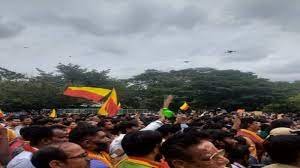
    Pro-Kannada activists have called for a dawn-to-dusk bandh in opposition to the release of Cauvery water to Tamil Nadu, causing disruptions in Bengaluru and other parts of Karnataka. While no major untoward incidents have occurred in the city, the bandh has had a noticeable impact on daily life.

    Airport Disruptions:

    • Kempegowda International Airport witnessed the cancellation of 44 flights (22 outgoing and 22 incoming) due to “operational” reasons.
    • Passengers, anticipating the bandh, canceled their tickets, contributing to flight cancellations.
    • Five pro-Kannada activists were detained for attempting to block the runway after entering the airport with valid flight tickets.
    • Another group of protestors at the airport’s arrival gate was also taken into preventive detention by police.

    Police Clarification:

    • A senior police official confirmed that there was no protest on the runway and that flight cancellations were unrelated to protestors.
    • Bengaluru International Airport Limited (BIAL) issued an advisory to passengers, urging them to follow alerts from airlines and law enforcement agencies.

    Impact on Bengaluru:

    • The state government declared a holiday for educational institutions and allowed employees to work from home, leading to sparse traffic and fewer app-based cabs and auto-rickshaws on the roads.
    • Many people left the city on September 27 due to the extended holidays.

    Business and Transport:

    • Hotels, restaurants, shopping malls, and commercial establishments remained closed across the city and state.
    • Delivery services continued largely unaffected, but commercial hubs like Church Street, Brigade Road, MG Road, and Chickpet wore a deserted look.
    • Bengaluru Metropolitan Transport Corporation (BMTC) operated 3,587 out of 5,602 schedules, with fewer passengers at major bus terminuses.
    • Karnataka State Road Transport Corporation (KSRTC) operated 58.75 percent of schedules till 1 pm, with poor footfall at bus terminuses.

    Educational Institutions:

    • The government declared a holiday for schools and colleges in districts including Bengaluru, Mandya, Mysuru, and Hassan.

    Protests and Detentions:

    • Pro-Kannada activists staged a rail roko protest in Mandya and Yadgir, with several protestors detained in various locations.
    • Demonstrations were held at Freedom Park, where slogans like ‘Cauvery is ours’ and ‘We will give blood but not Cauvery’ were raised.
    • Pro-Kannada activist Vatal Nagaraj was detained at Town Hall, preventing him from staging a protest march to Freedom Park.
    • Prominent Kannada actors, including Shiva Raj Kumar, Upendra, and Darshan, participated in the protest, with the Karnataka Film Chamber Of Commerce (KFCC) extending its support.

    Government Response:

    • Karnataka Deputy Chief Minister DK Shivakumar expressed the view that there was no need for a Karnataka bandh.
    • Section 144 of the CrPC was imposed in several regions of Karnataka to maintain law and order.
    • The bandh was successful in districts including Bengaluru Urban, Mandya, Mysuru, Hassan, Chamarajanagar, and Ramanagara.

    In summary:

    • Pro-Kannada activists’ bandh opposing Cauvery water release to Tamil Nadu disrupts Bengaluru and other parts of Karnataka.
    • Kempegowda International Airport experiences flight cancellations, while protestors are detained.
    • City witnesses sparse traffic and business closures, with limited impact on delivery services.
    • Public transport operates with reduced schedules, and educational institutions remain closed.
    • Protests, detentions, and notable participation from actors mark the day, with a successful bandh in some districts.